

How Can You Install a New Seat and Back on Your Chair Without Professional Help?
Oct 24th 2025
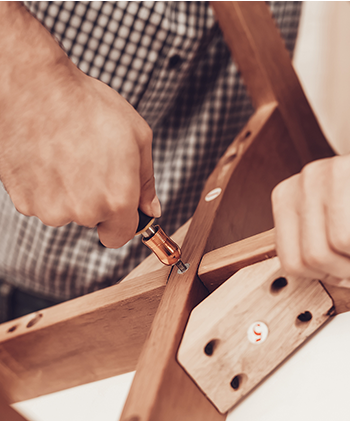
You don’t need a contractor to replace worn or damaged chair components; you can install chair seats and backs on your own with basic tools, and you don’t need any special skills. This guide walks you through every step, so you can get your dining chairs or bar stools looking good as new.
A lot of homeowners and restaurant owners run into the same problem where they have good, solid chair frames, but the seats are worn out. The good news is, you don’t need to buy all new furniture; you can just replace chair seats and backs and keep the pieces you already like. At Seats and Stools, we have commercial-grade replacements that are durable and easy to install.
Tools and Materials You'll Need
Gather the right supplies before you get started; you'll need a screwdriver (Phillips or flathead) and replacement screws if the originals are stripped, and a tape measure, so you can confirm the dimensions. If the frames are hardwood, you’ll need a drill, too.
Use your tape measure to make sure the replacement seat and back match the dimensions of your existing chair frame. Seats and Stools provides exact specifications for each replacement part, so you can make sure things are compatible before you place your order.
Prepare the Chair Frame
Start by removing the old seat and backrest. All you need to do is flip the chair upside down, find where the screws holding the seat in place are, take them out with a screwdriver, and then lift off the old seat carefully.
Next, you want to be sure to check to see if the frame’s got any damage or loose joints; tighten things up before you install any new parts. Then, wipe down the mounting areas to leave them nice and clean.
Measure and Align
Now you’re ready to put the new seat over the frame so it sits flush and the holes line up. If the holes don't match, double-check that you ordered the right part.
For the backrest, hold it against the frame and mark where the screws go. If you need to drill, use a bit that’s slightly smaller than your screw diameter, so there’s no splitting.
Attach the Seat
Position the seat on the frame and make sure the edge is aligned. Insert screws into each mounting hole, but don't tighten them all the way. You can just leave them finger-tight for now.
When you’ve got all the screws in place, you can tighten them evenly with a screwdriver. If you work in a crisscross pattern, you’ll distribute the pressure better so your seat stays level.
Attach the Backrest
Next, slide the new backrest into position so the mounting points line up with the frame. Put the screws in through the back, but don’t tighten them yet until you make sure everything sits straight; then, tighten them gradually, alternating between the top and bottom points. Understanding how to replace chair seats and backs means taking your time with each mounting point to get a professional result.
Test for Stability and Comfort
Now that the seat and back are on, flip the chair upright to test it out. Sit down and shift your weight to make sure nothing wobbles or creaks. Press against the backrest so you know it's good and anchored.
If you’ve got a bubble level, put it on the seat to check if things are straight, and make minor adjustments if they’re not.
Finishing Touches
Make a final inspection for any loose hardware or rough edges. If there’s any protective film, now’s the time to remove it. Then, wipe everything down with a damp cloth, so there’s no dust or fingerprints.
Seats and Stools offers replacement seats in commercial-grade materials, like Italian leather and durable vinyl, that can stand up to heavy use. If your chairs are in a restaurant setting, we’ve also got felt pads for the chair feet.
Safety and Maintenance Tips
Always work on a stable surface when you’re installing chair seats and backs, or you’ll have a harder time lining things up, and keep small children and pets away from your work area.
Make sure you clean your chairs regularly to help extend their life; all you need is a mild soap solution. Tighten screws every few months, too, if the chairs get used every day.
Restore Your Chairs with Confidence
With the right tools and a clear plan, you can replace chair seats and backs yourself in less than an hour each. Since our products are precision-cut, they’re easy to line up and get right.
Check out our collection of Breuer Cesca chair replacement seats and parts, or explore classic highback chair replacement seats and backs.
Frequently Asked Questions
Do I need special tools to install a new seat and back?
Basic tools work fine: A screwdriver, a tape measure, and maybe a drill. Most of our replacement parts come with installation hardware.
How do I know if the new seat and back will fit my chair frame?
Measure your existing seat and back and compare that to the product specifications. You can see the exact measurements for each replacement part on our website.
What type of screws work best for seat and back installation?
Use wood screws for wooden frames and self-tapping screws for metal frames. Screws have to be long enough to penetrate the frame, but not poke through.
How long does it usually take to replace a seat and back?
Most installations take 30 to 45 minutes per chair. Your first chair might take a bit longer, but you’ll go faster once you get the hang of it.
Can I reuse the old screws and hardware?
You can, if they're in good condition, but new screws are better. If you’ve got stripped or rusted screws, then you definitely need to replace them.
How can I keep the seat level and secure while tightening screws?
Leave all the screws finger-tight before you fully tighten any of them. Then tighten them in a crisscross pattern to distribute pressure evenly.